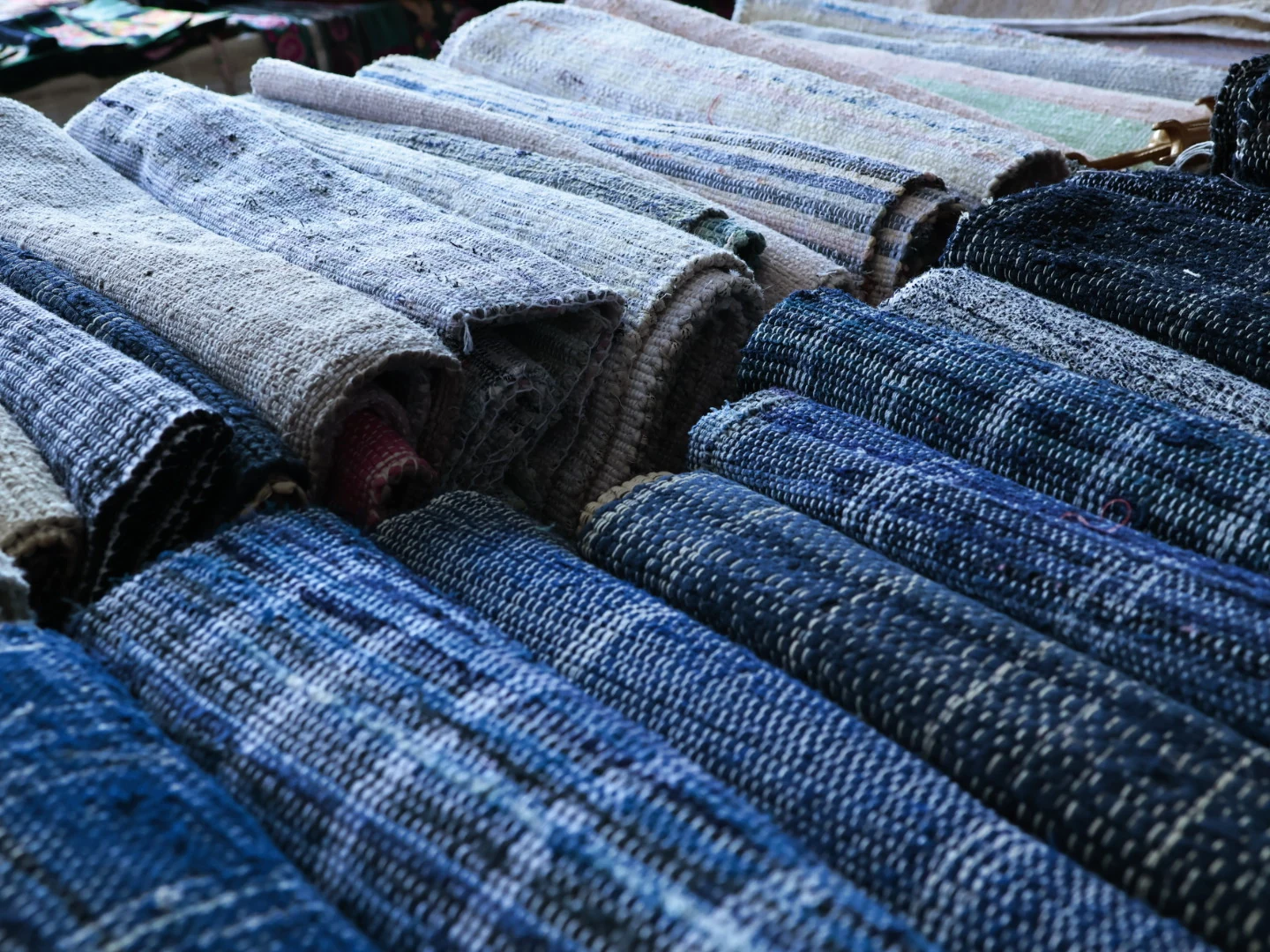
 STEP 01
Collect & prepare
Gather usable garments and textile remnants, then sort, clean and prepare the material for another life.
DEHONG · YUNNAN · CHINA
From forgotten fabrics to new possibilities — reviving heritage through colour, craft and circular thinking.
Discover our story ↗DAI RAG WEAVING — COP31 PRESENTATION
A LIVING TEXTILE TRADITION
Dai rag weaving is a resourceful textile practice rooted in everyday life in Dehong, Yunnan.
Usable garments and leftover fabrics are gathered, prepared and woven into new material. Through patient handwork, fragments with different histories become a coherent textile with its own character.
Irregular colour, varied texture and visible joins are not flaws to conceal. They tell a story of reuse, skilled making and the value found in what already exists.
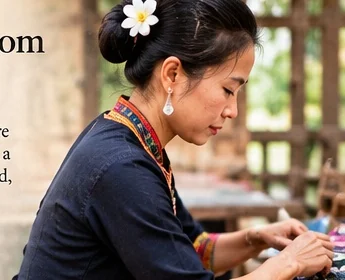
Careful preparation and skilled movements transform recovered cloth into a new woven surface.
STEP 01Gather usable garments and textile remnants, then sort, clean and prepare the material for another life.
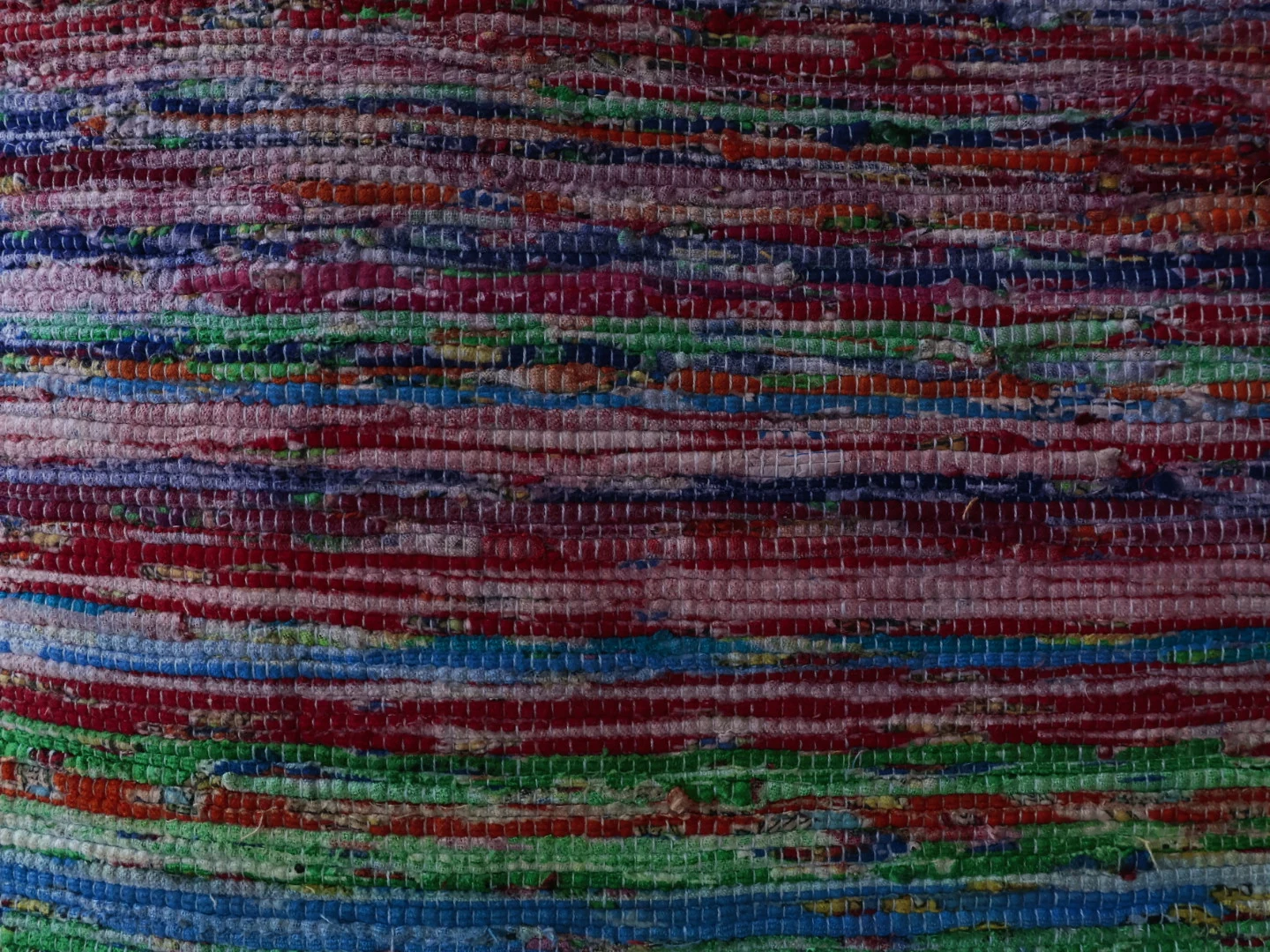
 STEP 02
Arrange prepared strips and weave row by row, balancing tension, structure, colour and texture.
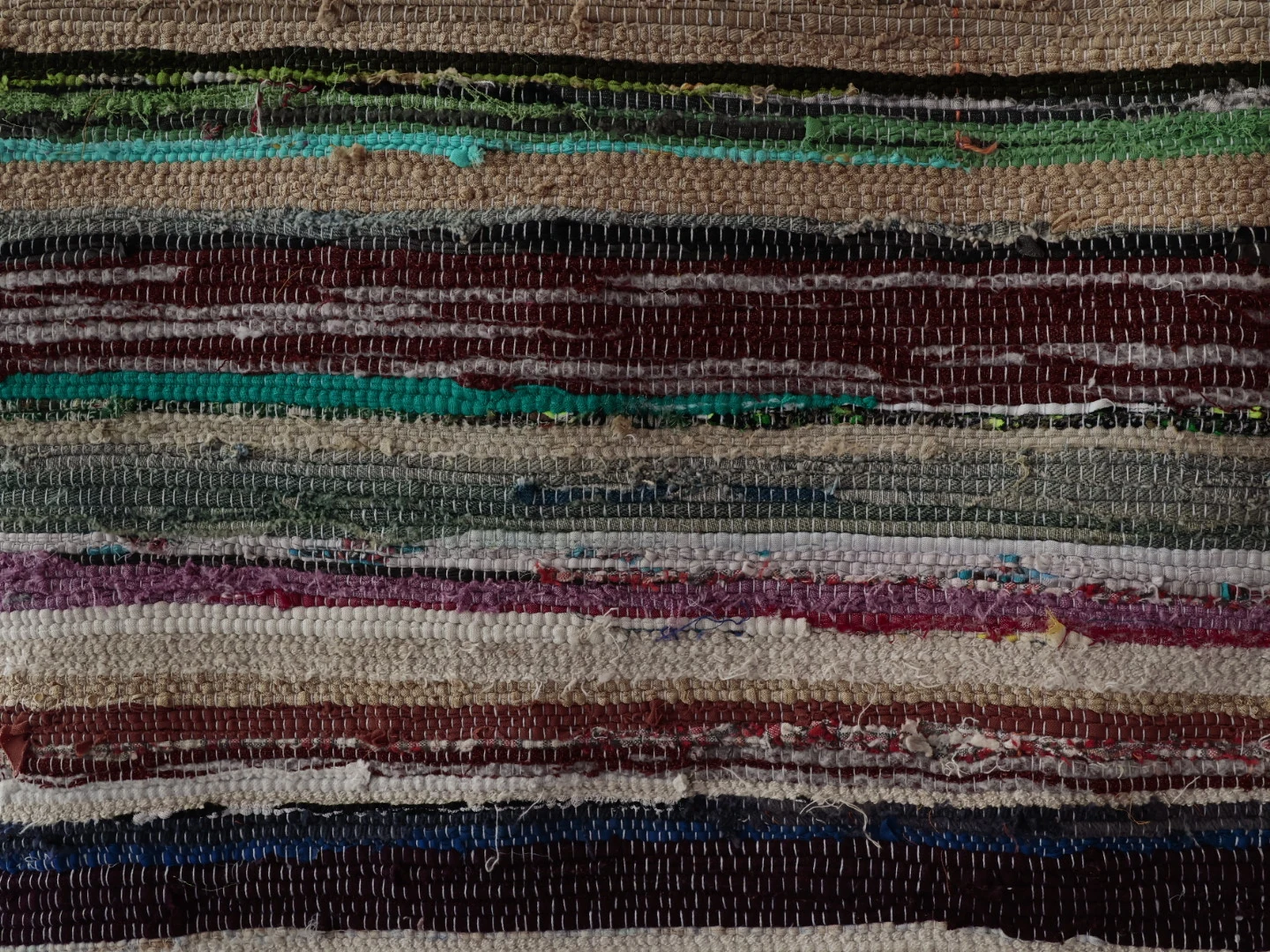
AI-generated illustrative image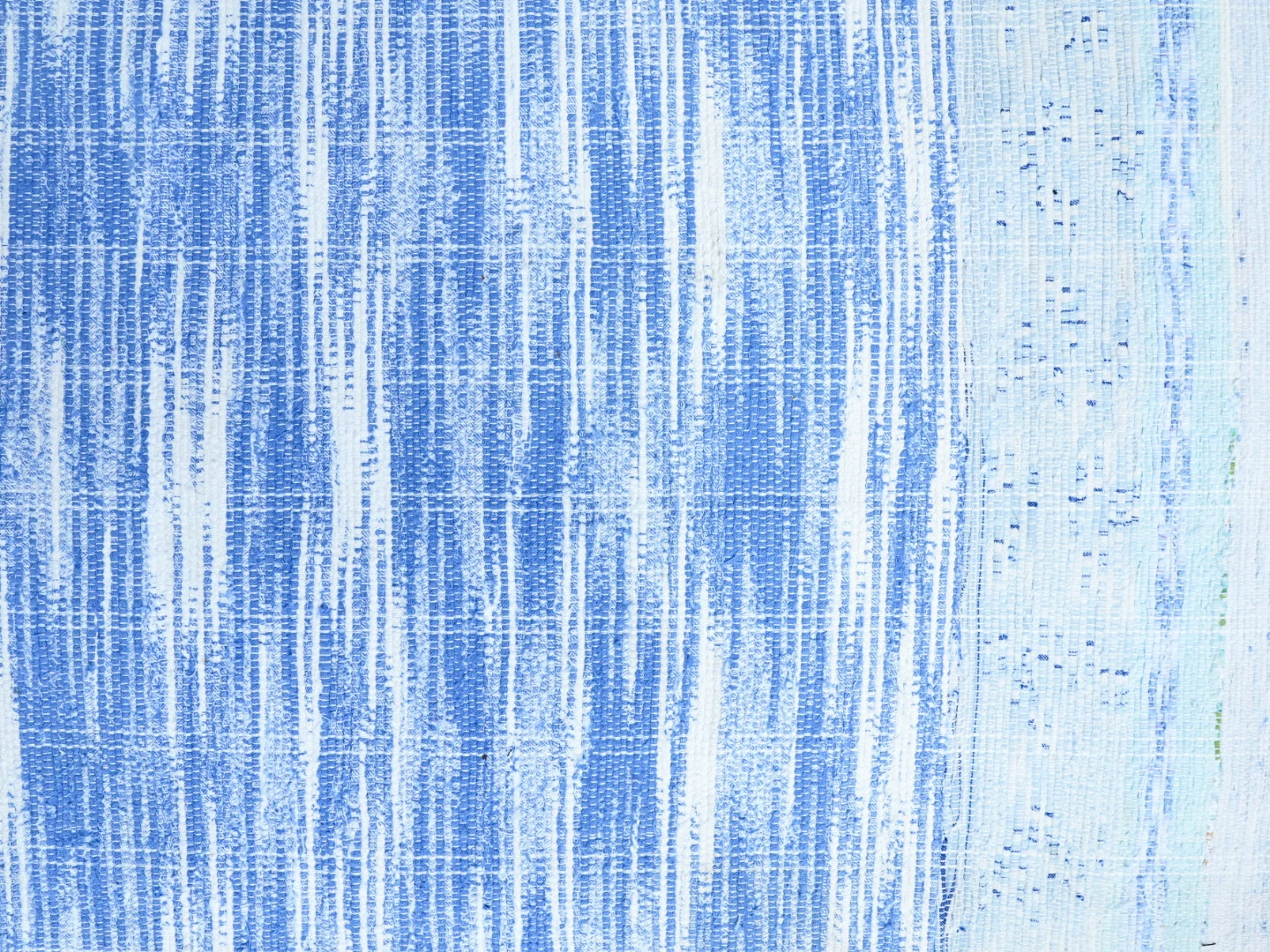 STEP 03
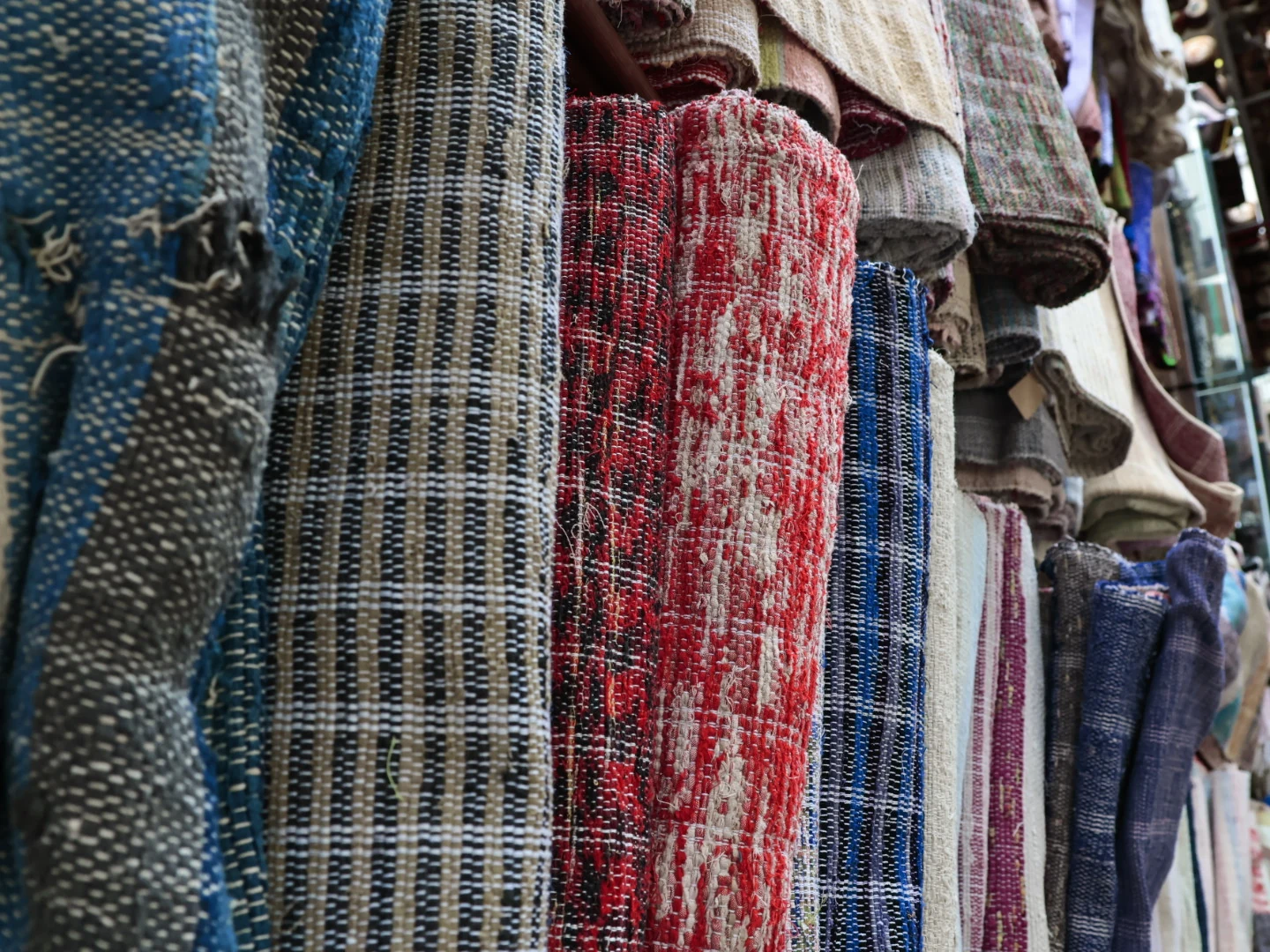
Complete the woven material and adapt it for practical uses, creative design and everyday life.
MAKE THE MOST OF WHAT EXISTS
Rag weaving makes reuse visible, tangible and creative.
By bringing discarded or surplus textiles back into use, the practice offers a small-scale, material-led example of circular thinking. It begins with available resources and uses craft knowledge to extend their usefulness.
Environmental outcomes depend on sourcing, production, transport and product lifespan. No quantified impact is claimed here.
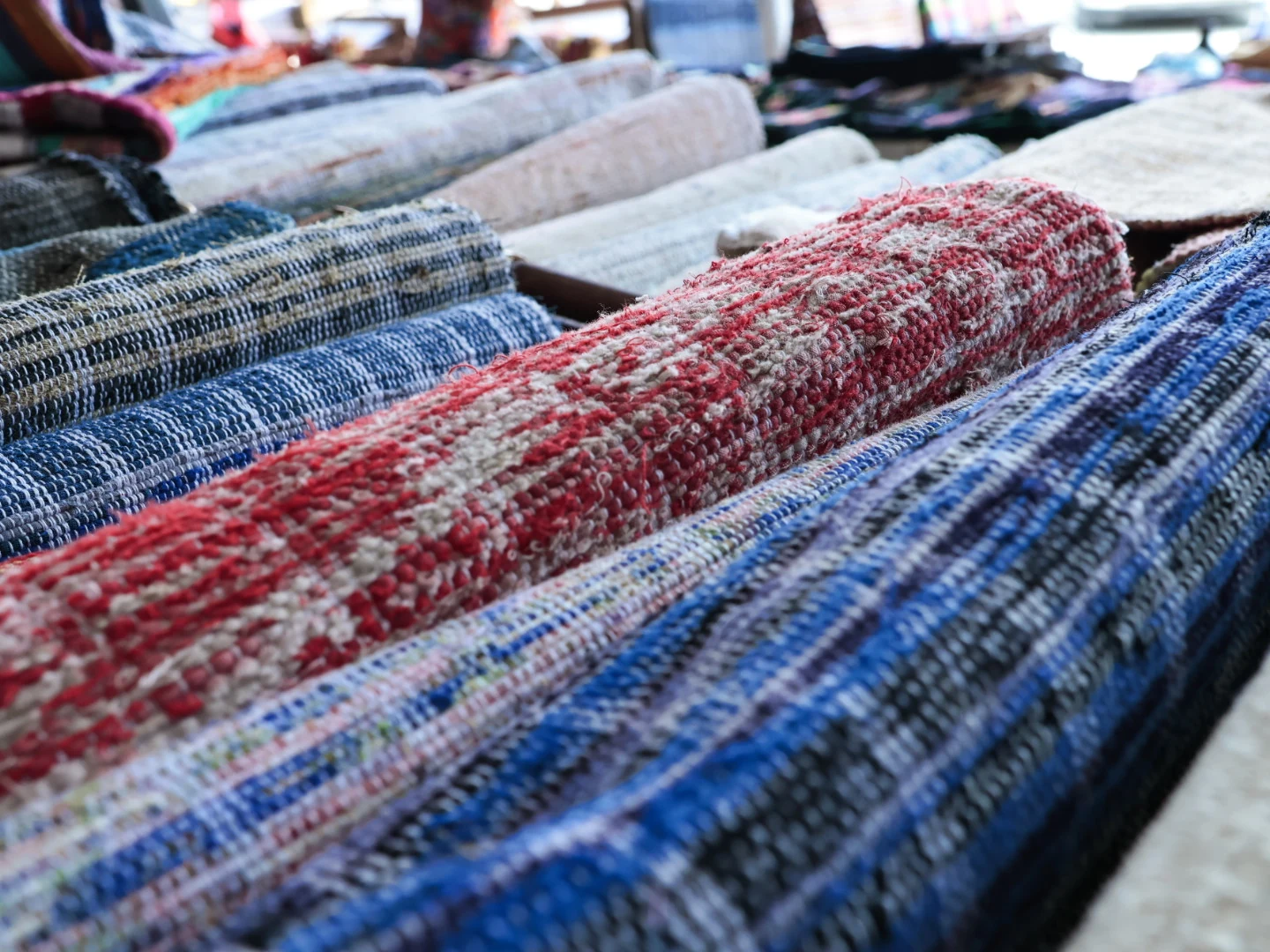
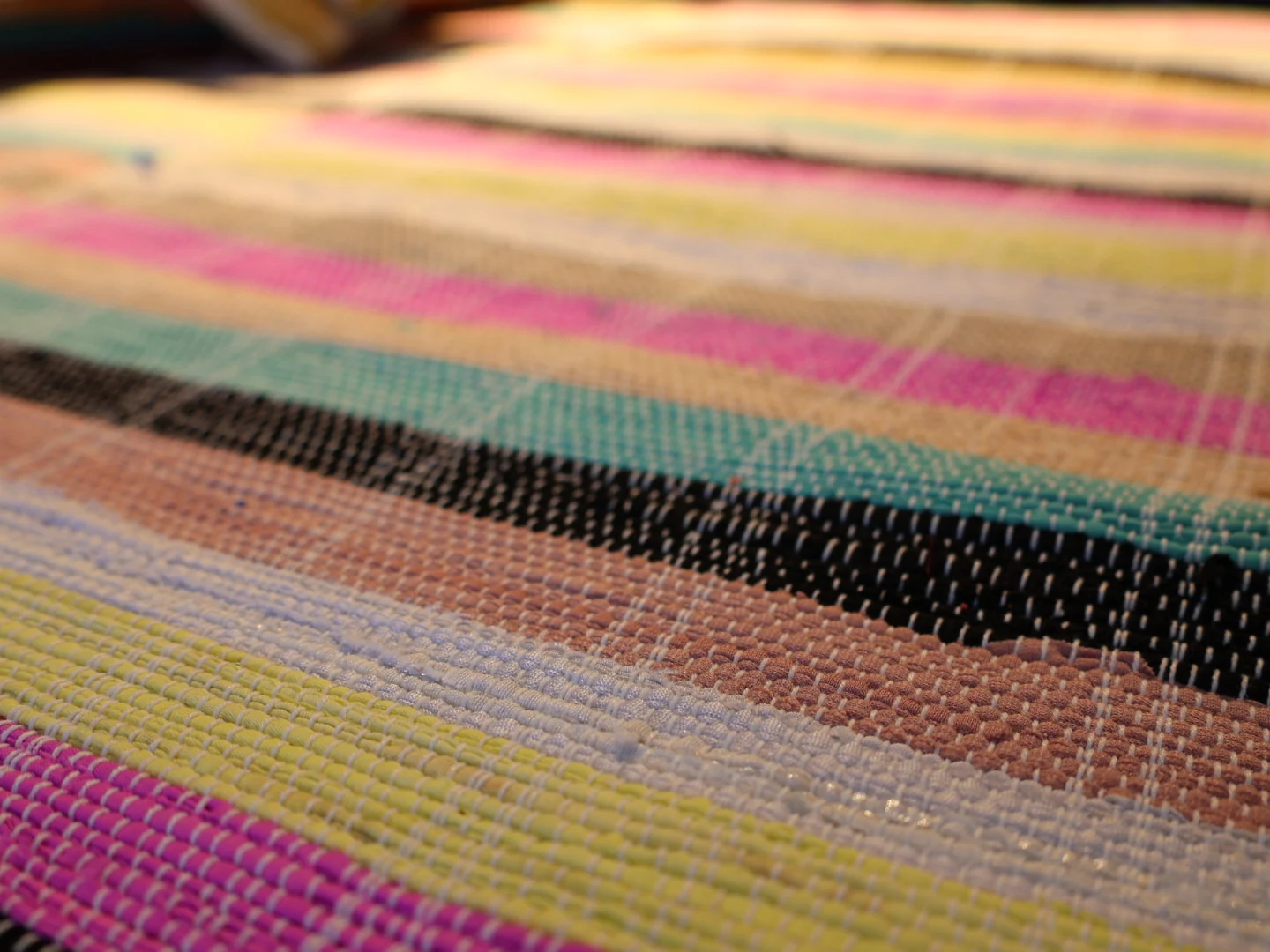
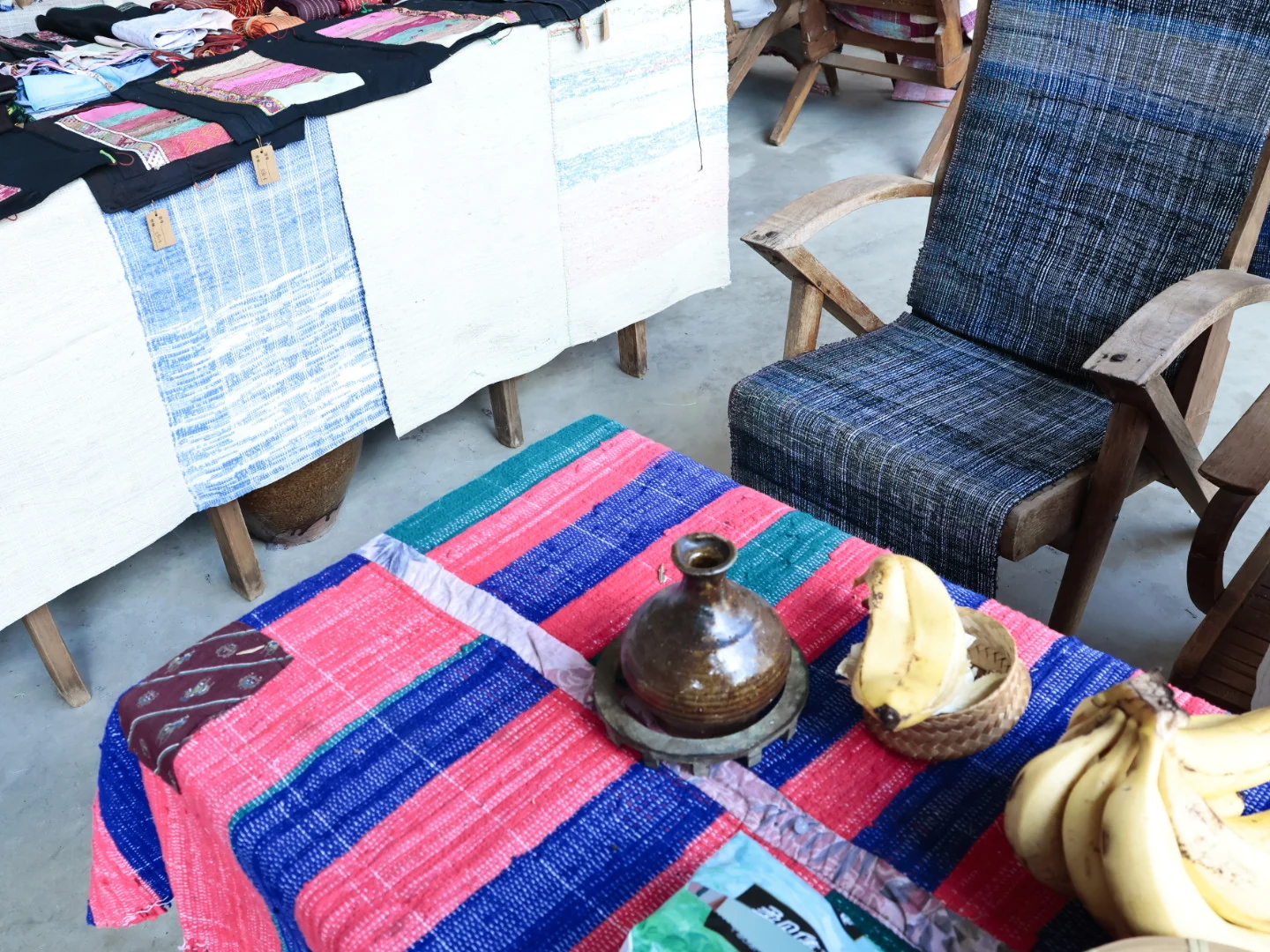
A distinctive visual language shaped by recovered colour, irregular fibres and the rhythm of the loom.
KNOWLEDGE LIVES IN PEOPLE
A craft is more than a technique: it is knowledge carried by people, shaped by place and sustained through practice.
Weaving skills grow through observation, repetition and experience. Supporting the people who hold this knowledge means recognising their contribution, respecting their time and skills, and creating opportunities for knowledge to be shared across generations.
Meaningful collaboration places makers at the centre — with fair recognition, clear agreements and respect for local cultural context.
ROOTED IN TRADITION, OPEN TO CHANGE
With thoughtful design and responsible partnerships, rag-woven material can find a place in contemporary products and spaces.
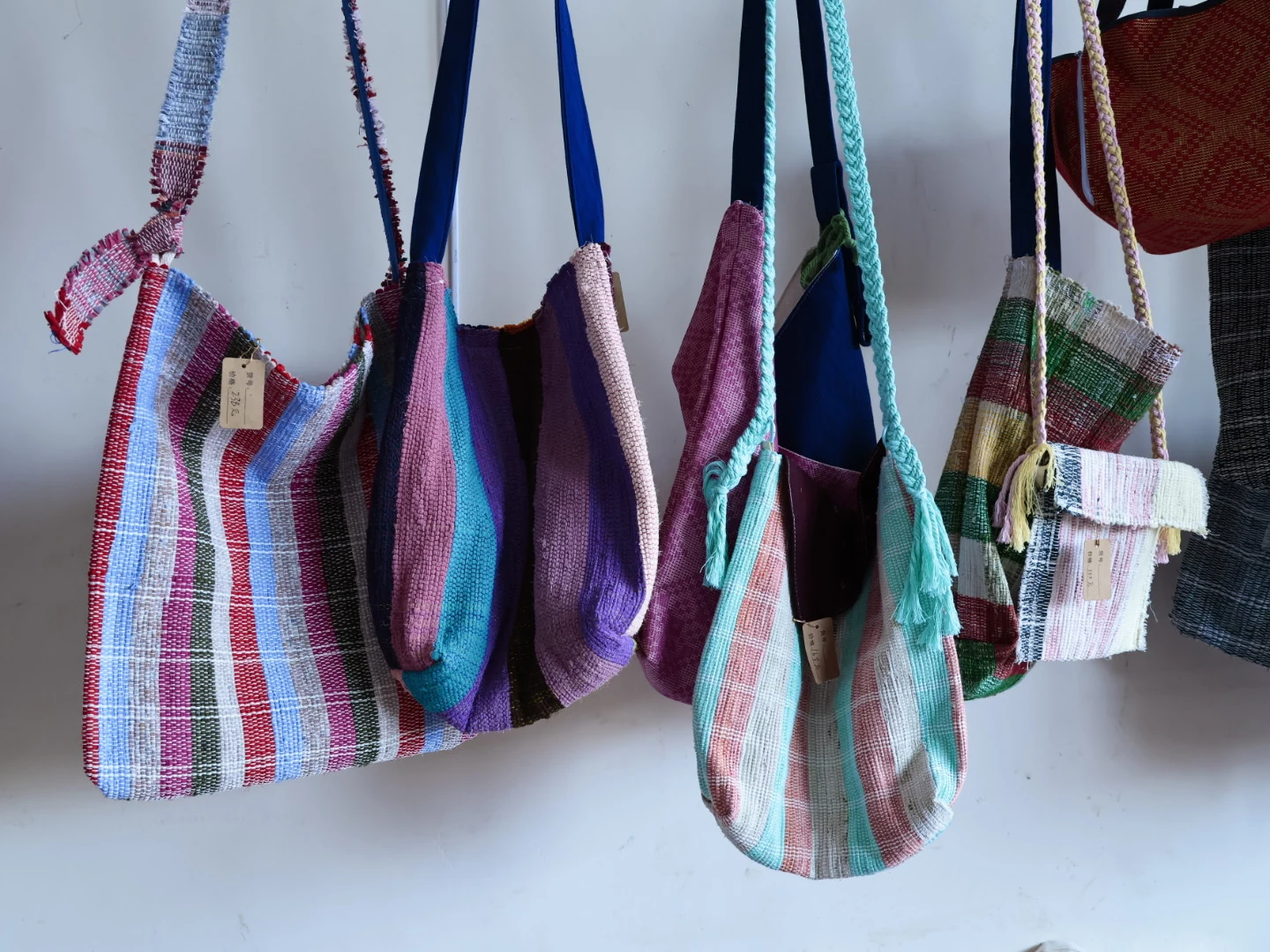
Bags and useful objects that give distinctive woven material a visible role in daily life.
Textured surfaces and soft furnishings that bring colour, tactility and a sense of place into interiors.
Exchange between makers, designers, educators and responsible businesses can explore new forms while respecting the craft.
LOCAL KNOWLEDGE · SHARED RESPONSIBILITY
Traditional knowledge and contemporary circular design can strengthen one another. The next chapter of Dai rag weaving can be shaped through long-term support for makers, careful use of resources, fair collaboration and opportunities for younger generations.
At COP31, ADEY World invites conversation on how local craft practices can contribute to wider discussions about responsible materials, cultural continuity and community-led sustainability.
We welcome conversations with makers, designers, cultural organisations, researchers and partners interested in circular textiles and living heritage.
Start a conversation ↗Confirm the contact email before publishing.